
Word
legislative
Relating to making or passing laws.
Meanings
Related to making, debating, or passing laws.
Having the authority or power to make laws (used about a body or branch of government).

Definition
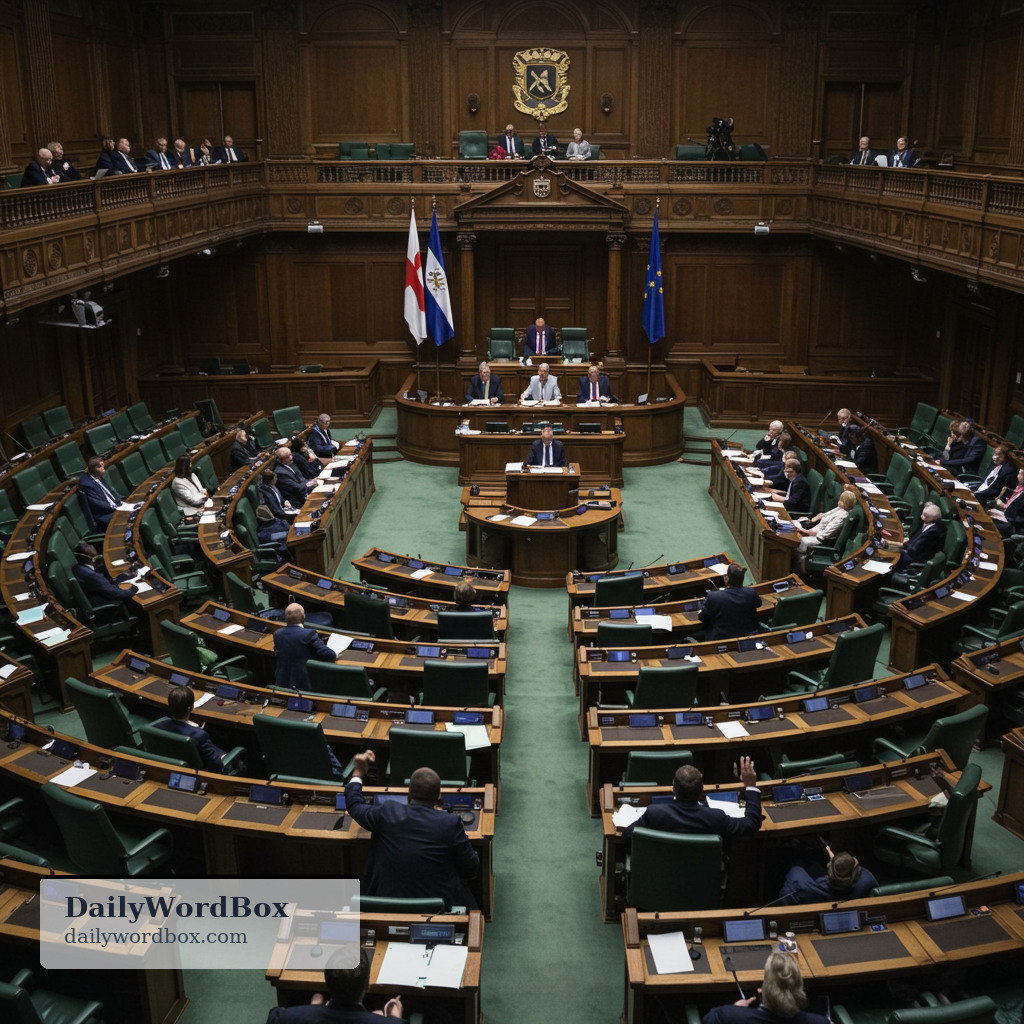
Legislative describes anything connected with creating, debating, or approving laws and official rules. It is often used for parliaments, assemblies, and the processes they use to make policy. You can also use it for proposed changes, powers, or bodies that have law-making authority.
Examples
- The committee demanded a detailed briefing on the legislative timetable before it agreed to take the proposal forward.
- I found the legislative language surprisingly precise, but the underlying policy goals were still open to interpretation.
- She built her argument around the legislative intent behind the reform rather than the headlines it generated.
- They criticized the legislative process for moving too quickly and leaving little room for public consultation.
Common mistake
Learners often confuse legislative (making laws) with judicial (interpreting laws) and executive (carrying out laws).
More at C1 level
- ubiquitous Present, appearing, or found everywhere at the same time.
- xenophobia Xenophobia is a strong dislike or fear of people from other countries or cultures.
- genocide Genocide is the deliberate killing of a large number of people from a particular group in order to …
- conundrum A conundrum is a confusing and difficult problem to solve.
- pretentious Trying to seem more important, intelligent, or cultured than you really are.
More adjectives
- agnostic An agnostic is someone who does not claim to know whether God exists.
- pragmatic Pragmatic means focused on practical results rather than ideals or theories.
- ubiquitous Present, appearing, or found everywhere at the same time.
- cynical Cynical describes believing that people are mainly motivated by self-interest and not sincere.
- apathetic Apathetic means showing little or no interest, concern, or enthusiasm.